
A swimming pool is a year-round investment, but its maintenance requirements can change significantly with the seasons. Weather conditions directly influence water quality, equipment performance, chemical balance, and overall pool health. Whether it’s the intense summer heat of Bengaluru, the heavy monsoon rains of Goa, or the cooler winter months in parts of India, seasonal changes can create unique challenges for pool owners.
Understanding how weather affects your swimming pool can help prevent costly repairs, reduce maintenance expenses, and ensure that the pool remains safe, clean, and enjoyable throughout the year. At Millennium Pools, proper seasonal maintenance is considered one of the most important factors in maximizing the lifespan and performance of any swimming pool.
Why Weather Plays a Critical Role in Pool Maintenance
Swimming pools are constantly exposed to environmental conditions. Temperature fluctuations, rainfall, humidity, dust, debris, and sunlight all impact water chemistry and pool equipment.
When seasonal maintenance is neglected, pool owners often experience issues such as algae growth, cloudy water, chemical imbalances, equipment wear, and increased operating costs. By adapting maintenance routines to changing weather conditions, homeowners and property managers can avoid these problems while maintaining optimal pool performance.
Summer: The Most Demanding Season for Pools
Summer is typically the busiest season for swimming pools across India. Higher temperatures increase pool usage while also accelerating water evaporation and chemical consumption.
Strong sunlight can quickly reduce chlorine effectiveness, making pools more vulnerable to bacteria and algae growth. Increased swimmer activity introduces additional contaminants such as sunscreen, body oils, and debris, placing greater stress on filtration systems.
Common Summer Pool Challenges
| Summer Condition | Impact on Swimming Pool |
| High temperatures | Faster evaporation and chemical loss |
| Intense UV exposure | Reduced chlorine effectiveness |
| Increased pool usage | Higher contamination levels |
| Dust and dry winds | More debris entering the pool |
| Water evaporation | Frequent water top-ups required |
During summer, regular water testing, filtration monitoring, and cleaning become essential for maintaining water clarity and hygiene.
Monsoon Season Can Disrupt Water Chemistry
For pool owners in Bengaluru, Goa, Mumbai, Chennai, and other regions that experience heavy rainfall, the monsoon season presents a completely different set of maintenance challenges.
Rainwater dilutes pool chemicals, alters pH levels, and introduces organic contaminants such as leaves, dirt, and pollen. Stormwater runoff may also carry additional debris into the pool, increasing the burden on filtration systems.
After periods of heavy rainfall, pool water often requires immediate chemical balancing and thorough cleaning to prevent algae formation and maintain water quality.
Homeowners can benefit from regular inspections through the website’s Pool Maintenance Services to ensure pools remain healthy throughout the monsoon season.
Winter Requires Less Maintenance but More Monitoring
Although many parts of India experience relatively mild winters, cooler temperatures still affect swimming pool operations. Lower temperatures generally reduce algae growth and chemical consumption, making maintenance somewhat easier.
However, reduced pool usage often causes owners to neglect routine inspections. Even during winter, filtration systems, pumps, and water chemistry should be monitored regularly to prevent long-term issues.
Luxury villas and hotels that operate heated pools may require additional attention to heating systems during cooler months to maintain guest comfort and energy efficiency.
Seasonal Effects on Water Chemistry
Water chemistry remains one of the most important aspects of pool maintenance throughout the year. Different seasons affect chemical balance in different ways.
Seasonal Impact on Pool Water Quality
| Season | Primary Water Chemistry Concern |
| Summer | Rapid chlorine depletion and algae growth |
| Monsoon | Diluted chemicals and unstable pH levels |
| Winter | Reduced sanitizer demand and lower evaporation |
| Transitional Seasons | Fluctuating chemical requirements |
Routine water testing helps pool owners adjust chemical treatment levels based on seasonal conditions, ensuring consistent water quality and swimmer safety.
Humidity Can Influence Pool Equipment Performance
Many regions across India experience periods of high humidity, particularly during the monsoon season. Excessive moisture can affect pool equipment such as pumps, electrical systems, lighting fixtures, and automation controls.
Regular equipment inspections help identify potential issues before they develop into costly repairs. Proper ventilation and protective equipment housing can also improve the lifespan of critical pool components.
At Millennium Pools, maintenance programs often include seasonal equipment assessments to ensure reliable operation throughout the year.
Falling Leaves and Debris Increase Cleaning Requirements
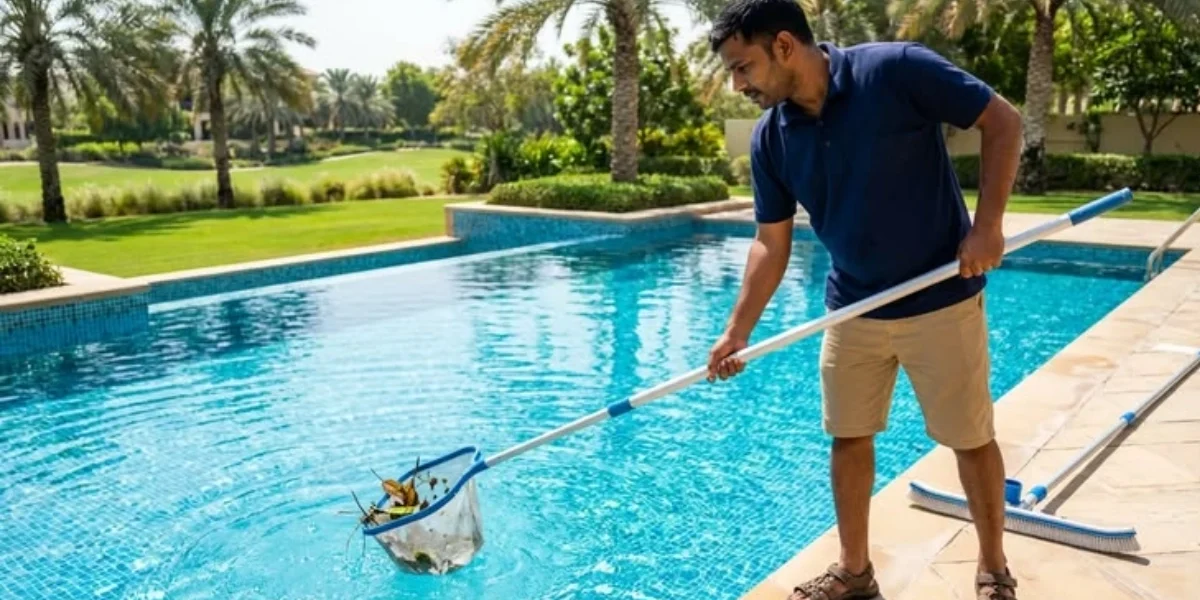
Seasonal changes often affect the amount of organic matter entering a swimming pool. During windy conditions or periods of heavy vegetation shedding, pools may accumulate leaves, twigs, pollen, and other debris.
This debris not only affects appearance but can also increase nutrient levels within the water, creating ideal conditions for algae growth. Skimming, vacuuming, and filter cleaning become especially important during these periods.
Luxury residential properties and resorts with extensive landscaping should pay particular attention to debris management throughout the year.
Seasonal Maintenance Helps Extend Pool Lifespan
One of the biggest benefits of proactive seasonal maintenance is the protection it provides for the pool’s structural components and equipment systems.
Consistent maintenance helps:
- Prevent algae outbreaks
- Protect pumps and filtration equipment
- Maintain water quality
- Reduce repair costs
- Extend the life of pool finishes
- Improve energy efficiency
By addressing seasonal challenges before they become major issues, property owners can significantly increase the lifespan of their swimming pool investment.
Smart Technology Makes Seasonal Maintenance Easier
Modern pool technology has simplified seasonal maintenance through automation and real-time monitoring systems. Smart pool controls can automatically adjust filtration schedules, monitor water chemistry, and alert owners when maintenance is required.
These systems are particularly valuable during seasonal transitions when environmental conditions can change rapidly. Automated monitoring helps maintain consistent water quality while reducing manual intervention.
Many new swimming pools designed by Millennium Pools incorporate advanced automation systems that improve maintenance efficiency and operational reliability.
How Hotels and Resorts Manage Seasonal Pool Maintenance
For hotels and resorts, maintaining pool quality throughout changing weather conditions is essential for guest satisfaction. Seasonal maintenance strategies often include more frequent water testing, preventive equipment inspections, and proactive cleaning schedules.
Luxury hospitality properties cannot afford unexpected pool closures caused by water quality issues or equipment failures. As a result, many rely on professional maintenance programs that adapt to seasonal conditions and ensure uninterrupted operation.
This approach is especially important in tourism destinations such as Goa and Kerala, where swimming pools remain a major attraction throughout the year.
Why Professional Maintenance Matters
While some maintenance tasks can be performed independently, seasonal weather conditions often create challenges that require professional expertise. Proper chemical balancing, equipment inspections, leak detection, and filtration optimization are critical for long-term pool performance.
Millennium Pools provides comprehensive pool maintenance solutions designed to address seasonal challenges while ensuring optimal water quality, safety, and efficiency. Their experienced team understands how local weather patterns influence pool performance and develops maintenance plans tailored to each property’s requirements.
Conclusion
Seasonal weather has a direct impact on every aspect of swimming pool maintenance, from water chemistry and cleanliness to equipment performance and energy efficiency. Summer heat, monsoon rains, humidity, and seasonal debris all create unique challenges that require proactive management.
By understanding these seasonal effects and implementing appropriate maintenance strategies, homeowners, hotels, resorts, and residential communities can protect their investment while ensuring a safe and enjoyable swimming experience throughout the year.
With expert support from Millennium Pools, pool owners can confidently navigate seasonal changes and keep their swimming pools operating at peak performance regardless of the weather.
Suggested Internal Links
- Pool Maintenance Services
- Swimming Pool Design & Construction
- Pool Renovation Solutions
- Water Features & Fountains
- Hotel & Resort Pool Construction
FAQ
1. How does summer weather affect swimming pool maintenance?
Summer heat increases water evaporation, reduces chlorine effectiveness, and encourages algae growth. Regular cleaning, water testing, and chemical balancing are essential during this season.
2. What impact does the monsoon season have on swimming pools?
Monsoon rains dilute pool chemicals, alter pH levels, and introduce debris such as leaves and dirt. After heavy rainfall, pools often require cleaning and water chemistry adjustments.
3. Does a swimming pool require maintenance during winter?
Yes, swimming pools still require regular monitoring during winter. Although cooler temperatures reduce algae growth, water chemistry, filtration systems, and equipment should be inspected routinely.
4. Why is seasonal water testing important for swimming pools?
Seasonal weather changes can affect chlorine levels, pH balance, and water quality. Regular water testing helps maintain safe swimming conditions and prevents costly maintenance issues.
5. How can smart technology simplify seasonal pool maintenance?
Smart pool systems can automatically monitor water chemistry, adjust filtration schedules, and send maintenance alerts. This helps maintain consistent pool performance throughout changing seasons.
6. Why should pool owners consider professional seasonal maintenance?
Professional pool maintenance ensures proper chemical balancing, equipment inspections, and timely repairs. It helps extend the pool’s lifespan while maintaining water quality and operational efficiency.