
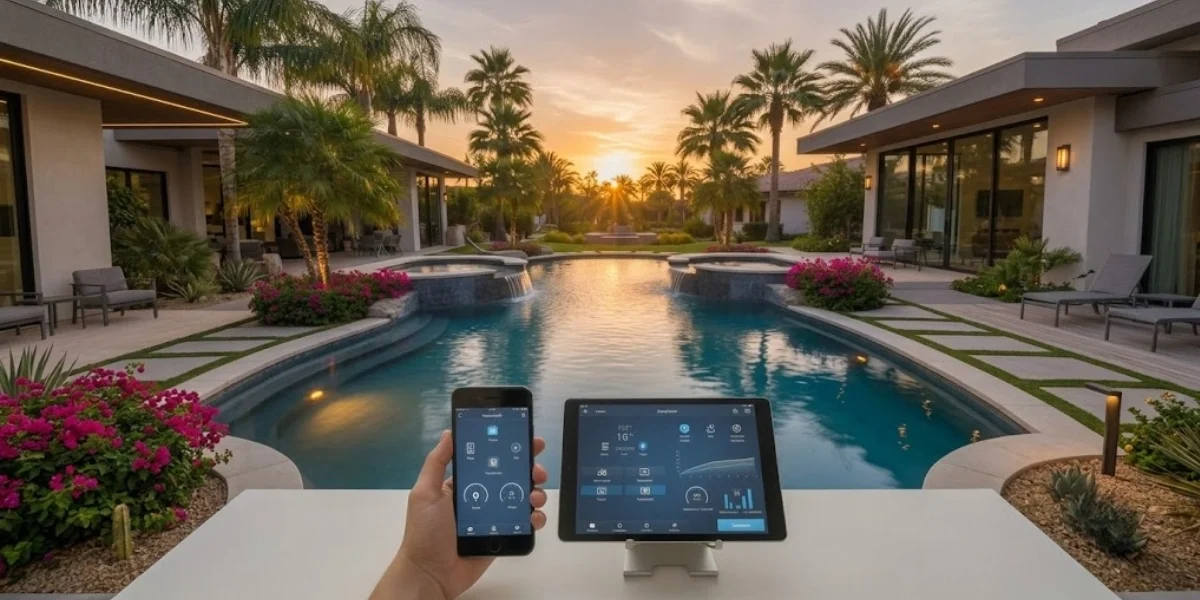
Swimming pools have come a long way from being simple recreational spaces with basic filtration systems and manual maintenance requirements. Over the past 50 years, advancements in engineering, materials, automation, and sustainability have transformed pools into highly efficient, technologically advanced environments that offer superior performance, enhanced safety, and exceptional user experiences.
Today, whether it’s a luxury villa in Bengaluru, a resort in Goa, a premium residential community in Hyderabad, or a five-star hotel in Mumbai, modern swimming pools rely on innovative technologies that would have seemed unimaginable decades ago. Understanding how pool technology has evolved helps homeowners, developers, and hospitality businesses appreciate the value of investing in modern pool systems.
The Early Days: Pool Technology in the 1970s
In the 1970s, most swimming pools were relatively basic in terms of construction and operation. Pool owners relied heavily on manual cleaning, chemical testing, and maintenance routines. Filtration systems were less efficient, and water circulation technology was still developing.
Concrete pools dominated the market, and while they offered durability, construction methods often required longer project timelines. Lighting options were limited, and pool equipment consumed significantly more energy than modern alternatives.
Maintenance was labor-intensive, requiring regular attention to water chemistry, filtration, and cleaning to keep pools safe and operational.
The 1980s: Improved Filtration and Equipment
The 1980s marked an important shift toward more reliable filtration systems and improved pool equipment. Sand filters became more effective, while pumps and circulation systems were designed to improve water quality and reduce maintenance challenges.
Pool construction techniques also advanced during this period, allowing for greater design flexibility and improved structural performance. Hotels, resorts, and residential communities increasingly viewed swimming pools as valuable amenities that enhanced property appeal.
Architects began experimenting with more sophisticated layouts and decorative finishes, setting the foundation for modern pool design trends.
The 1990s: The Rise of Luxury Pool Features
During the 1990s, swimming pools evolved beyond purely functional spaces. Homeowners and developers began seeking luxury features that enhanced aesthetics and user experience.
Waterfalls, fountains, underwater lighting, integrated spas, and decorative tiling became popular additions. Pool design started focusing more on creating attractive outdoor environments rather than simply providing a place to swim.
This period also saw the growth of custom pool construction, allowing designers to create unique pools tailored to specific architectural styles and landscapes.
Key Technology Milestones Over 50 Years
The transformation of pool technology can be clearly seen by comparing major advancements across different decades.
| Era | Pool Technology Features |
| 1970s | Manual cleaning, basic filtration, limited lighting |
| 1980s | Improved pumps, better filtration systems, enhanced durability |
| 1990s | Decorative water features, integrated spas, and custom designs |
| 2000s | Energy-efficient equipment, automated cleaning systems |
| 2010s | Smart controls, LED lighting, and advanced water treatment |
| 2020s | AI-assisted monitoring, app-based automation, and sustainable technologies |
As pool technology progressed, the focus shifted from simple functionality to efficiency, luxury, sustainability, and user convenience.
The 2000s: Energy Efficiency Takes Center Stage
By the early 2000s, energy efficiency had become a major priority. Rising energy costs encouraged manufacturers to develop variable-speed pumps, improved filtration systems, and energy-efficient heating solutions.
These technologies significantly reduced operating expenses while improving overall pool performance. Homeowners and commercial property operators benefited from lower utility bills and reduced maintenance requirements.
The growing emphasis on sustainability also encouraged the adoption of environmentally responsible construction materials and water conservation technologies.
The 2010s: Smart Pool Automation Arrives
The introduction of smart technology revolutionized pool management. Automated systems allowed owners to control lighting, filtration, heating, and water features from centralized control panels or mobile devices.
LED lighting replaced traditional incandescent fixtures, providing greater energy efficiency and customizable lighting effects. Automated chemical monitoring systems improved water quality while reducing manual intervention.
For luxury villas, hotels, and residential communities, automation made pool ownership more convenient than ever before.
Homeowners interested in modern pool construction can explore the website’s Swimming Pool Design & Construction Services to understand how these technologies are integrated into contemporary projects.
The 2020s: Connected and Intelligent Pools
Today’s pools are more connected than ever. Advanced automation platforms allow users to manage virtually every aspect of pool operation through smartphone applications.
Real-time monitoring systems continuously track water quality, equipment performance, and energy consumption. Automated alerts notify owners when maintenance is required, helping prevent costly repairs and downtime.
Modern pools can also integrate seamlessly with smart home ecosystems, allowing users to control pool functions alongside lighting, security, climate control, and other connected devices.
This level of convenience has become particularly attractive for luxury homeowners and hospitality businesses seeking premium guest experiences.
Sustainability Is Driving Modern Innovation
One of the most significant developments in recent years has been the focus on sustainability. Architects, developers, and homeowners increasingly prioritize environmentally responsible pool solutions that reduce resource consumption while maintaining exceptional performance.
Modern pools often incorporate:
- Energy-efficient pumps and filtration systems
- Automated water management technologies
- Solar heating solutions
- Eco-friendly sanitization systems
- Sustainable construction materials
These innovations support long-term cost savings while helping properties meet evolving environmental expectations.
Advanced Construction Techniques Have Improved Design Possibilities
Pool construction has also undergone a significant transformation over the past five decades. Modern engineering techniques allow for more ambitious designs while improving structural integrity and project efficiency.
Infinity pools, rooftop pools, glass-edge pools, lap pools, and custom wellness-focused designs are now achievable through advanced construction methods and specialized materials.
This evolution has enabled companies such as Millennium Pools to create highly customized swimming environments that align with contemporary architectural and lifestyle requirements.
Wellness Technology Is Reshaping Pool Design
Modern pools increasingly support wellness and health-focused lifestyles. Hydrotherapy systems, resistance swimming technology, integrated spas, temperature-controlled zones, and relaxation features are becoming standard in luxury residential and hospitality projects.
The growing demand for wellness amenities has transformed pools into multi-functional spaces that support fitness, relaxation, recovery, and recreation within a single environment.
This trend is particularly visible in luxury villas, resorts, and premium residential communities across India.
What the Future of Pool Technology Looks Like
Looking ahead, the next generation of swimming pool technology is expected to focus on greater automation, predictive maintenance, enhanced sustainability, and deeper integration with smart building systems.
Artificial intelligence may further optimize energy usage and water management, while advanced sensors could provide even more accurate monitoring of pool conditions. Innovations in materials and construction techniques will continue expanding design possibilities while improving efficiency.
As technology advances, swimming pools will become even more intelligent, sustainable, and personalized to the needs of homeowners and businesses.
Why Millennium Pools Embraces Modern Pool Technology
At Millennium Pools, innovation has always been a key part of delivering exceptional swimming pool experiences. With decades of expertise in pool design, construction, renovation, and maintenance, the company continuously incorporates the latest technologies into its projects.
From smart automation systems and energy-efficient equipment to advanced construction methods and wellness-focused features, Millennium Pools helps clients create future-ready swimming pools that combine luxury, performance, and sustainability.
Conclusion
The evolution of swimming pool technology over the last 50 years has transformed the industry in remarkable ways. What began as a largely manual and maintenance-intensive amenity has become a sophisticated combination of engineering, automation, sustainability, and lifestyle design.
Today’s swimming pools offer unprecedented levels of convenience, efficiency, and customization. Whether for luxury villas, hotels, resorts, or residential communities, modern pool technology continues to redefine what is possible. With expert guidance from Millennium Pools, property owners can take full advantage of these advancements and create swimming environments designed for the future.
Suggested Internal Links
- Swimming Pool Design & Construction Services
- Pool Maintenance Services
- Pool Renovation Solutions
- Steam & Sauna Rooms
- Water Features & Fountains
FAQ
1. How has swimming pool technology changed over the last 50 years?
Swimming pool technology has evolved from manual cleaning and basic filtration systems to smart automation, energy-efficient equipment, and AI-assisted monitoring. Modern pools offer better convenience, sustainability, and performance.
2. What are the biggest advancements in modern pool technology?
Major advancements include smart automation, LED lighting, automated water treatment, energy-efficient pumps, and app-based controls. These technologies improve efficiency while reducing maintenance requirements.
3. How do smart swimming pools work?
Smart swimming pools use connected systems and mobile applications to control lighting, filtration, heating, and water quality remotely. Real-time monitoring also helps identify maintenance issues early.
4. Why is sustainability important in modern swimming pool design?
Sustainable pool technologies reduce water and energy consumption through efficient pumps, solar heating, eco-friendly sanitization, and automated water management systems. This lowers operating costs and environmental impact.
5. What role does automation play in pool maintenance?
Automation simplifies pool maintenance by continuously monitoring water chemistry, filtration, and equipment performance. It reduces manual effort while ensuring consistent water quality and safety.
6. What does the future of swimming pool technology look like?
The future of pool technology includes greater automation, predictive maintenance, artificial intelligence, and deeper integration with smart home systems. These innovations will create more efficient and personalized swimming experiences.